Deciphering Synchronization Effects on Payout Sequencing in Cloud-Based Gaming Frameworks Across Multiple Jurisdictions
Written by Felix Frank · Sep 23, 2026
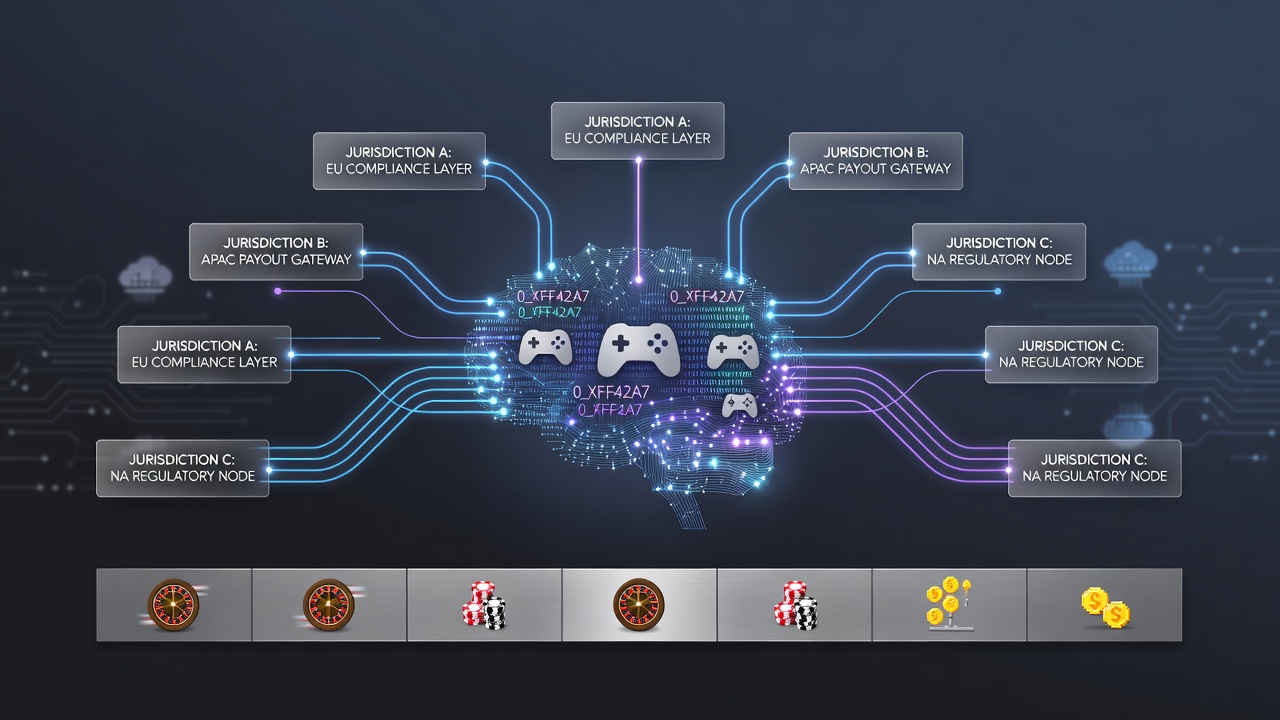
Deciphering Synchronization Effects on Payout Sequencing in Cloud-Based Gaming Frameworks Across Multiple Jurisdictions
Cloud-based gaming frameworks rely on distributed servers to manage real-time interactions, and synchronization plays a central role in how payout sequencing unfolds for players in different locations. These systems coordinate data across nodes so that outcomes remain consistent while complying with local rules, and observers note that timing differences can alter the order in which wins register.
Core Mechanisms of Synchronization in Cloud Environments
Researchers have examined how latency and server clustering affect the sequence of payout events, particularly when games operate on shared infrastructure serving multiple continents. Data centers located in primary hubs exchange state information through protocols that prioritize consistency, yet network conditions introduce variable delays that shift the moment a payout calculation completes. Studies from industry reports show that frameworks using eventual consistency models allow temporary discrepancies before final reconciliation occurs, which directly influences the order players experience results.
One technical approach involves timestamping each transaction at the point of origin and then aligning those markers across regional servers, and this process becomes critical when games incorporate progressive elements shared among users in separate jurisdictions. Gaming Standards Association documentation outlines methods for maintaining sequence integrity, while frameworks must also account for regulatory requirements that dictate how funds move between player accounts and operator ledgers.
Jurisdictional Variations Shaping Payout Order
Regulatory bodies enforce distinct rules on transaction timing and reporting, which means synchronization protocols adapt differently depending on the region. In Canada, iGaming Ontario guidelines require precise logging of each payout event within defined windows, forcing cloud operators to adjust synchronization intervals to avoid violations. Australian authorities similarly mandate detailed audit trails, and operators serving those markets often deploy dedicated regional nodes to reduce cross-border latency that could disrupt sequence accuracy.
European frameworks present additional layers because member states maintain separate licensing regimes, and synchronization must bridge these divides without creating mismatches in reported outcomes. Data from cross-border operator reports indicates that systems handling multi-jurisdictional traffic incorporate buffering mechanisms to hold results until all relevant regulators receive confirmation, which extends the effective payout window in some cases.
Observed Impacts on Sequencing During Peak Periods
September 2026 saw increased traffic volumes across major cloud gaming platforms as seasonal promotions aligned globally, and analysts tracking server metrics reported temporary extensions in payout sequencing delays during those weeks. Synchronization queues lengthened when multiple jurisdictions processed simultaneous high-volume requests, leading operators to implement dynamic load balancing that redistributed tasks among available nodes. Those adjustments preserved overall fairness metrics while highlighting how traffic spikes expose limits in current coordination methods.
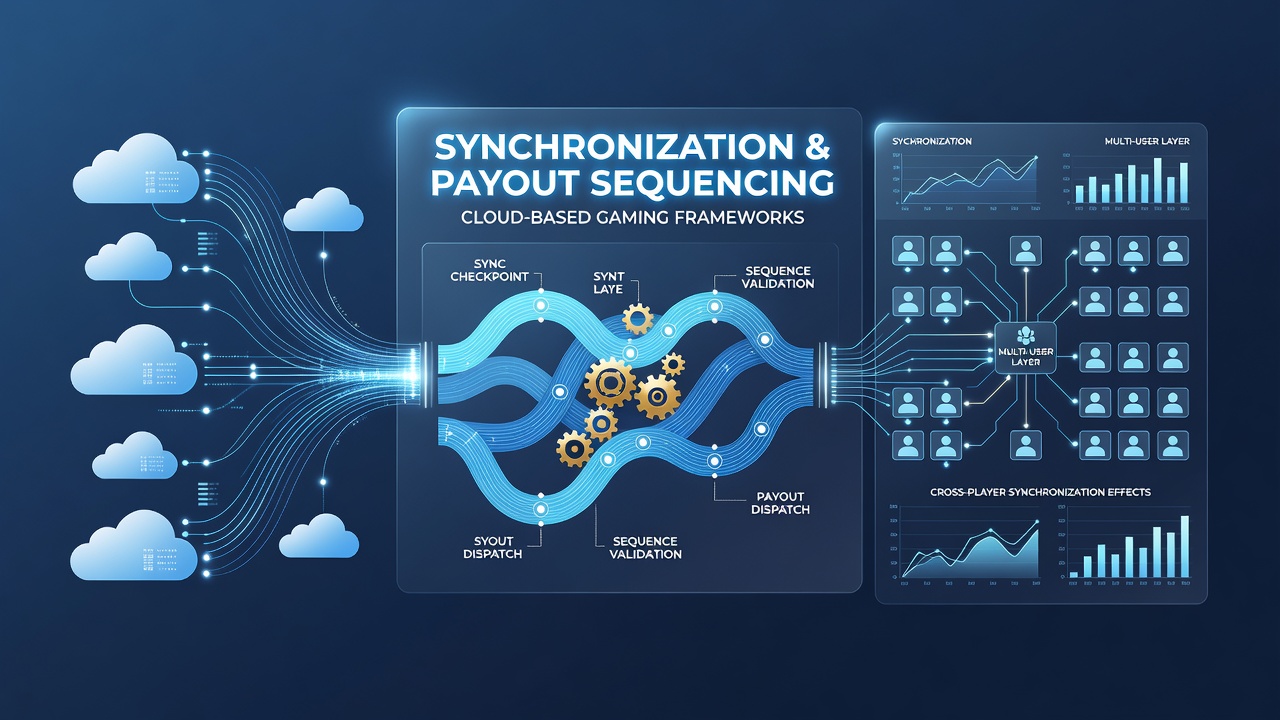
Technical evaluations reveal that games relying on shared jackpot pools experience the most pronounced effects, since synchronization must confirm contributions from every participating region before releasing funds. Operators have documented cases where a single delayed node shifted the apparent sequence of smaller wins that preceded a major payout, though final settlement remained accurate after reconciliation completed.
Technical Strategies for Maintaining Sequence Integrity
Engineers deploy consensus algorithms adapted from distributed database research to align payout records, and these tools help minimize drift between regional views of the same game state. One common implementation uses leader election among cloud instances so that a primary node dictates the authoritative sequence while secondary nodes validate and replicate the order. Academic papers on distributed systems applied to gaming describe how these methods reduce the window during which inconsistencies could appear to players.
Monitoring tools track synchronization health through metrics such as replication lag and sequence deviation rates, and operators integrate these signals into automated scaling decisions. When lag exceeds thresholds set by compliance teams, additional capacity spins up in affected regions to restore timely processing. Reports from research institutions specializing in networked applications confirm that such responsive scaling has lowered the frequency of sequence anomalies in production environments.
Future Directions for Cross-Border Coordination
Industry groups continue to explore standardized interfaces that would allow different cloud providers to exchange synchronization data more efficiently, and pilot programs have tested interoperability between platforms serving North American and Asian markets. These efforts aim to shorten reconciliation times while preserving the audit capabilities required by each jurisdiction's oversight body. Observers tracking developments note that progress depends on aligning technical standards with the varied reporting formats already in use.
Conclusion
Synchronization remains a foundational element that determines how payout sequencing behaves in cloud-based gaming frameworks operating across borders. Technical choices around consistency models, node placement, and load distribution interact with regulatory expectations to shape the timing players encounter. As traffic patterns evolve and new jurisdictions enter the market, operators continue refining these systems to keep sequences reliable and compliant under real-world conditions.