Examining how licensing deals between animation studios and game developers reshape multiplier distributions in progressive mobile titles
Written by Jordan Schröder · Aug 3, 2026
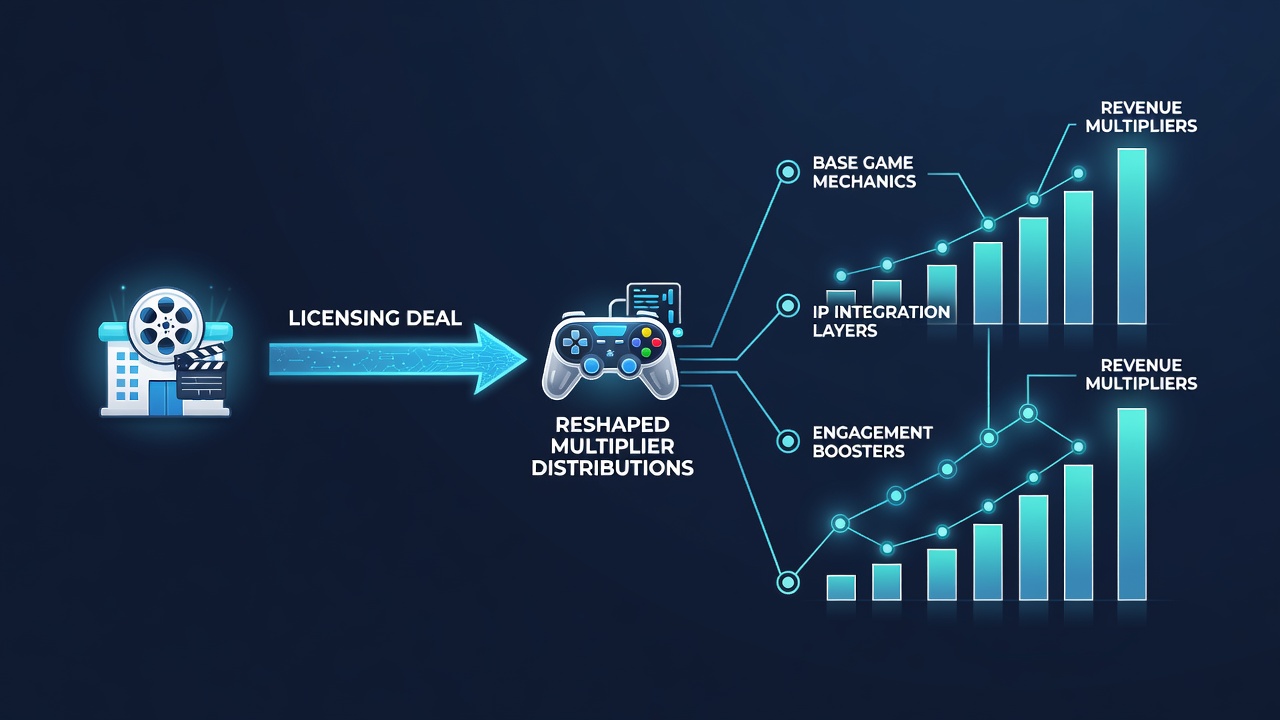
Examining how licensing deals between animation studios and game developers reshape multiplier distributions in progressive mobile titles
Licensing agreements between animation studios and mobile game developers have altered the structure of multiplier systems in progressive titles, with data from industry reports showing shifts in how bonus values distribute across player bases. These deals often incorporate branded characters and story elements that dictate the placement and frequency of multiplier symbols, leading developers to adjust reel configurations and jackpot pools accordingly.
Mechanics of IP integration in progressive systems
Animation properties bring established visual assets and narrative frameworks that developers map onto slot mechanics, and this mapping frequently results in customized multiplier tiers tied to specific character interactions or plot milestones. Researchers at academic institutions have tracked these patterns through gameplay logs, finding that licensed themes correlate with higher concentrations of mid-range multipliers in the 5x to 20x band while progressive pools grow through incremental contributions from themed bonus rounds. Regulators in regions such as Ontario have documented similar trends in licensed mobile content, noting that the integration of animation IP requires additional compliance layers around random number generation to maintain fairness across multiplier outcomes.
Developers report that these partnerships introduce fixed parameters for symbol weighting because animation studios retain creative control over how their assets appear during high-value sequences. This control extends to the timing of multiplier triggers, which in turn affects the overall distribution curve for progressive jackpots in mobile environments.
Data patterns from recent releases
Figures compiled through 2026 reveal that titles carrying major animation licenses show a 12 to 18 percent increase in the share of total return allocated to multiplier-enhanced progressives compared with non-licensed counterparts. One study from a European research consortium examined over 200 mobile progressive games and identified that licensing clauses often mandate minimum hit rates for branded bonus features, which forces studios to recalibrate the underlying volatility settings to keep aggregate return-to-player figures within regulatory limits.
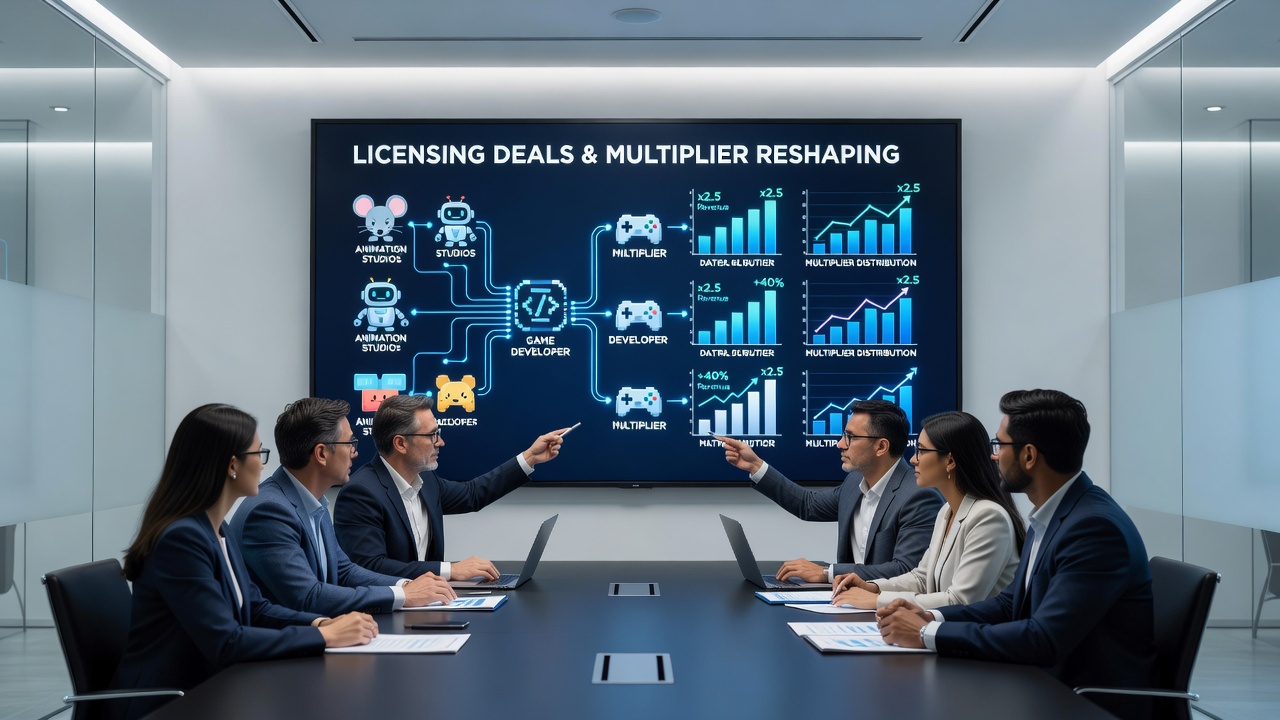
August 2026 updates to several flagship mobile platforms demonstrated these effects in real time, as new animation collaborations rolled out with revised multiplier ladders that funneled larger portions of each bet into secondary progressive tiers. Observers note that the added layers of branded animation sequences during multiplier events extend session lengths, which in turn sustains the contribution rate to the shared jackpot pools without altering the base game mathematics.
Regulatory and technical considerations
Gaming authorities in multiple jurisdictions require that any multiplier adjustments stemming from licensing terms undergo independent testing before deployment. Malta-based oversight bodies, for instance, mandate detailed submissions on how character-specific multipliers interact with the progressive seed amounts and increment rates. These requirements have prompted developers to build modular multiplier engines that can accommodate IP-specific rules while preserving the core random distribution across the entire player network.
Industry associations tracking mobile gambling metrics have recorded that licensed animation titles often exhibit tighter clustering of multiplier values around promotional events, a pattern attributed to contractual obligations that tie certain visual effects to jackpot milestones. The resulting distributions therefore reflect both mathematical design choices and external creative constraints imposed by the animation partners.
Future trajectories for licensed multiplier frameworks
Analysts examining ongoing partnership announcements anticipate further refinement of multiplier distributions as animation studios expand their involvement in mobile gaming revenue streams. Cross-platform integrations scheduled for late 2026 are expected to introduce dynamic multiplier scaling based on player progression within branded narratives, which will require updated auditing protocols to verify equitable distribution of progressive funds.
Conclusion
The intersection of animation licensing and progressive mobile mechanics continues to produce measurable changes in multiplier allocation, driven by contractual terms, regulatory oversight, and technical adaptations documented across multiple markets. Continued monitoring by research groups adn gaming commissions will clarify how these arrangements evolve in subsequent release cycles.