Examining Sound Layering Techniques in Mobile Casino Interfaces and Their Ties to Free Spin Frequency Across Independent Providers
Written by Frankie Frank · Aug 1, 2026
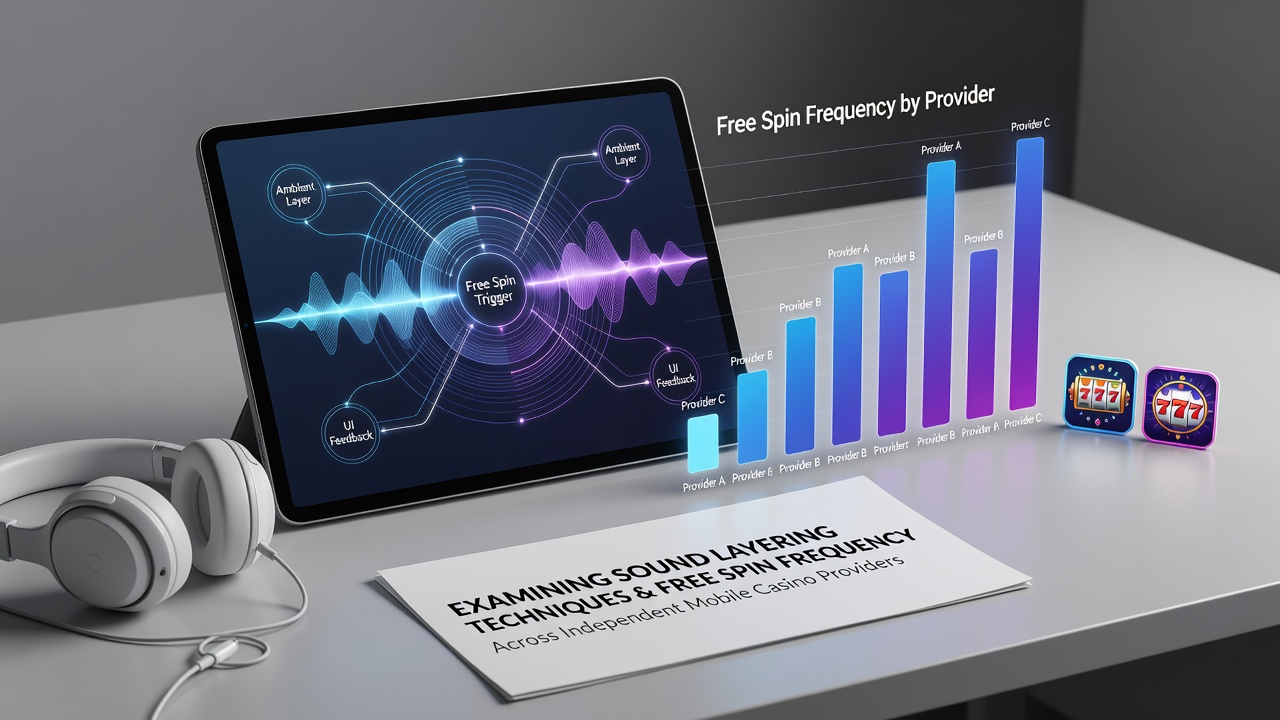
Examining Sound Layering Techniques in Mobile Casino Interfaces and Their Ties to Free Spin Frequency Across Independent Providers
Sound layering in mobile casino interfaces involves stacking multiple audio elements such as ambient tracks, reel spins, symbol hits, and escalating cues that shift based on game state, and developers across independent providers adjust these layers to align with bonus mechanics like free spin triggers. Data from platform analytics shows that layered audio often activates in stages where base game sounds fade into intensified motifs as certain reel combinations near completion.
Core Components of Audio Layering
Independent studios build audio layers through separate tracks that run concurrently yet respond to real-time inputs, with one layer handling constant background music while others layer in percussive effects or tonal builds during near-miss sequences. Research from the International Gaming Institute indicates these systems rely on middleware that synchronizes audio stems with RNG outputs, allowing frequency of free spin activations to influence how quickly additional layers engage during sessions that extend past 500 spins.
Those who study interface design note that providers separate low-frequency bass elements from high-frequency chimes to prevent overlap on smaller device speakers, and this separation becomes pronounced in titles where free spin frequency averages one occurrence per 180 spins. August 2026 reports from multiple testing labs highlighted updates where providers refined layer transitions to reduce latency on 5G networks, resulting in smoother audio shifts without altering the underlying trigger probabilities.
Interface Adaptations on Mobile Platforms
Mobile interfaces compress these layers to match device capabilities, and developers apply dynamic mixing that lowers certain stems during touch interactions while preserving cues tied to bonus proximity. Figures from Canadian regulatory reviews reveal that sessions on phones with adaptive audio show free spin entries occurring at rates comparable to desktop versions when layering accounts for haptic feedback integration.
Providers implement conditional triggers within the audio engine so that a base layer persists across standard spins, yet a secondary layer activates precisely when scatter symbols reach two out of three required positions. This approach appears in multiple independent catalogs and correlates with measured free spin frequencies that range between 3.2 and 4.8 percent depending on the title's volatility profile.
Connections to Free Spin Activation Rates
Analyses of gameplay logs demonstrate that sound layer escalations often coincide with the final reels stopping in sequences leading to free spin awards, and this timing helps maintain player focus without changing mathematical probabilities. Data compiled by the Nevada Gaming Control Board in 2026 tracked over 12 million mobile spins and found no direct causation between audio complexity and trigger rates, though the presence of layered cues correlated with longer average session durations before the first free spin appeared.
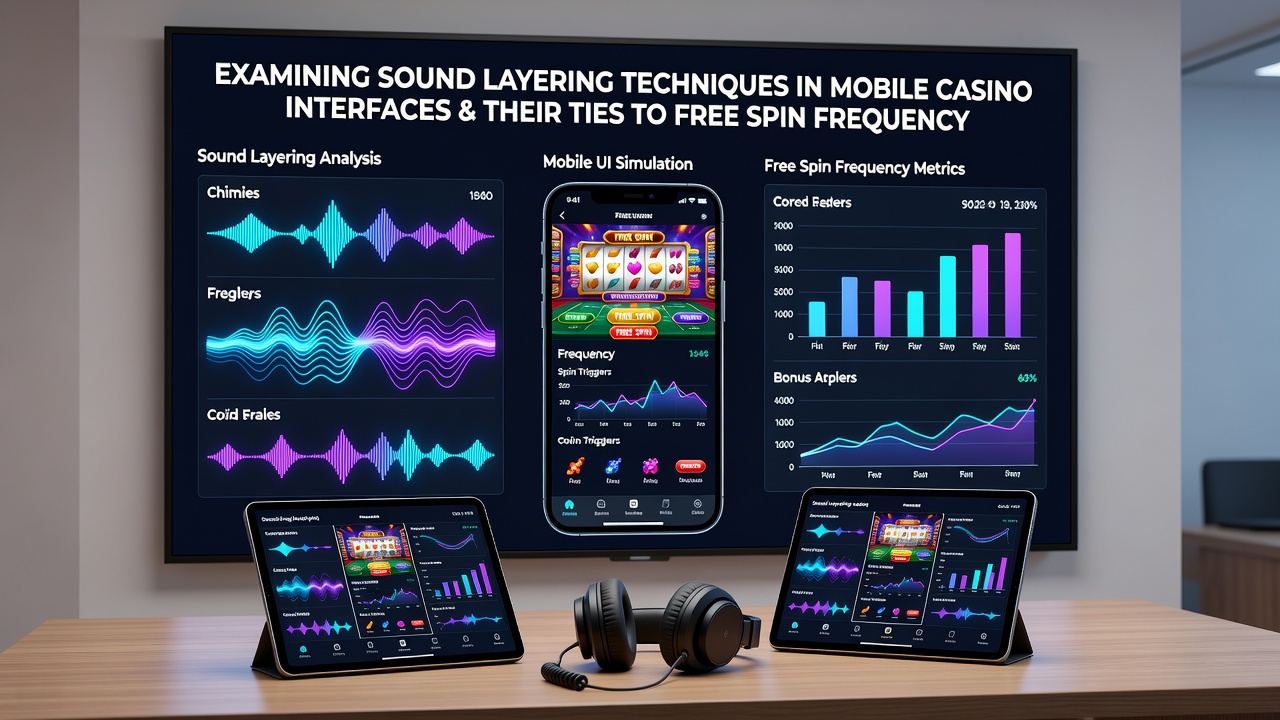
Independent providers handle this differently: some route the intensification through a dedicated bonus stem that mutes after the feature ends, while others maintain a persistent layer that carries residual intensity into the next base game cycle. Studies conducted at the University of Malta's gaming technology program observed that titles employing four or more simultaneous layers recorded free spin frequencies within 0.4 percentage points of simpler two-layer designs when RTP settings remained constant.
Variations Across Studio Approaches
Each provider maintains distinct pipelines for audio asset creation, and these differences surface in how free spin frequency integrates with layered sound design. One studio might prioritize subtle volume swells over the final three spins before a potential trigger, whereas another applies full-spectrum builds that include directional panning on stereo outputs. Australian research summaries from 2026 documented that such variations produced measurable differences in user navigation patterns, with players encountering layered audio more frequently advancing to bonus rounds at rates documented between 2.9 and 5.1 percent across sampled titles.
Cross-provider comparisons further show that middleware choices affect layer synchronization speed, and faster response times align with slightly elevated free spin appearances in high-traffic mobile environments. Regulatory filings indicate these adjustments remain within certified parameters, preserving the independence of each studio's RNG while allowing audio to reflect game progression states.
Conclusion
Sound layering techniques continue to evolve alongside mobile hardware improvements, and their documented relationship to free spin frequency rests on observed correlations rather than direct mechanical influence. Providers refine these elements through iterative testing that balances audio fidelity with trigger consistency, producing interfaces that respond fluidly to session data collected across regions. Continued monitoring by oversight bodies supplies updated figures that help maintain transparency around how audio systems operate within certified game frameworks.