Exploring Interactions Between Game Provider RTP Settings and Casino Promotion Designs in Mobile Slot Engagement
Written by Felix Frank · Nov 18, 2026
Exploring Interactions Between Game Provider RTP Settings and Casino Promotion Designs in Mobile Slot Engagement
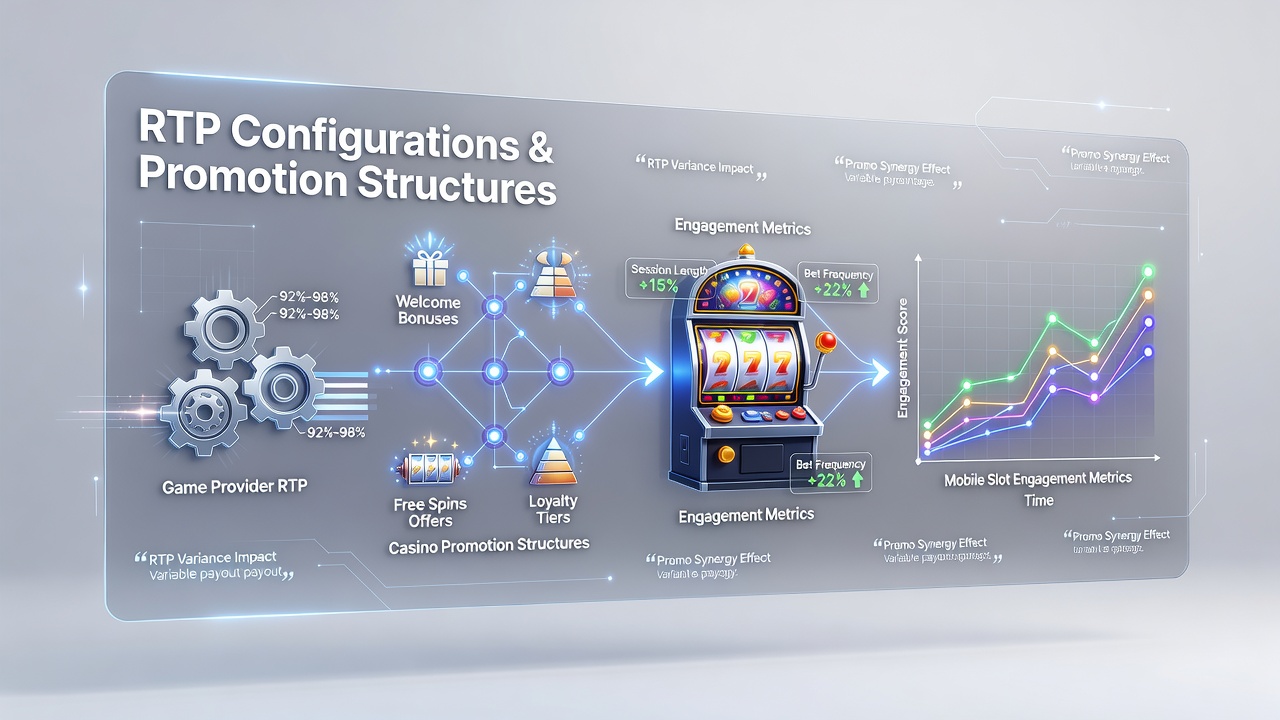
Game providers configure return to player percentages in mobile slot titles through specific algorithms that set baseline payout expectations, and these configurations often align with casino promotion structures such as deposit matches or free spin packages to shape how players interact with games over extended sessions. Observers note that RTP values typically range between 94 and 98 percent across mobile platforms, while promotions adjust effective player value by adding temporary boosts that influence session length and repeat engagement rates.
RTP Configuration Patterns from Major Providers
Providers adjust RTP through modular settings that allow operators to select from multiple variants of the same title, and data from regulatory filings shows variations by region where mobile-first markets see more frequent use of mid-range RTP options around 95.5 percent. Those who've examined provider documentation find that lower RTP configurations pair with higher volatility mechanics to create distinct engagement profiles, whereas higher RTP setups tend toward steadier play patterns when combined with promotional incentives that extend bankroll duration.
Promotion Structures in Mobile Casino Ecosystems
Casino operators deploy layered promotion systems including welcome bonuses, loyalty rewards, and time-limited events that directly modify the perceived RTP during active periods, and figures from industry reports reveal that free spin offers increase average session times by integrating with game mechanics that trigger bonus rounds more readily under certain RTP thresholds. Research indicates that deposit-based promotions correlate with higher deposit frequencies in mobile environments, particularly when providers enable dynamic RTP switches that respond to ongoing campaign parameters.
Combined Effects on Engagement Metrics
Engagement metrics such as daily active users, average revenue per user, and session completion rates respond to the alignment between RTP configurations and promotion timing, while studies from academic sources document that mobile slots with 96 percent RTP settings experience measurable upticks in retention when paired with multiplier-based promotions during peak evening hours. Data shows that mismatched combinations, where high volatility titles receive low-value promotions, lead to quicker drop-off rates among mobile users who encounter extended dry spells before bonus features activate.

November 2026 brought additional data points from operator dashboards that tracked how seasonal promotions interacted with fixed RTP variants across multiple providers, and those patterns indicated stronger engagement when promotions emphasized bonus buy features in titles configured above 95 percent RTP. Providers maintain these settings through backend controls that operators access via integration APIs, allowing real-time adjustments tied to campaign calendars without requiring full game updates.
Regional Variations and Data Sources
Regulatory bodies in different jurisdictions collect metrics on how these interactions play out, and information compiled by the Nevada Gaming Control Board highlights distinct mobile engagement trends compared to land-based equivalents where RTP and promotion overlaps produce different retention curves. A separate analysis from the Australian Gambling Research Centre examined similar dynamics in mobile markets and found that promotion structures emphasizing cashback on losses amplified the effects of mid-tier RTP configurations on repeat play frequency.
Providers release configuration guidelines that detail compatible promotion types, and operators apply these selectively based on player segmentation data collected through app analytics platforms. Those who've reviewed cross-provider comparisons note that certain studios optimize for promotion compatibility by building in adjustable hit frequencies that respond to bonus triggers, thereby sustaining engagement metrics even when base RTP sits at conservative levels.
Conclusion
The interplay between RTP configurations from game providers and casino promotion structures produces measurable shifts in mobile slot engagement metrics, with available data underscoring the role of precise alignment in driving session duration and user retention across platforms. Observers continue to track these relationships through ongoing regulatory reports and operator analytics to identify consistent patterns in how adjustments in one area influence outcomes in the other.