Regional Preferences Shaping RTP Configurations in Emerging Mobile Slot Markets
Written by Felix Frank · Aug 8, 2026
Regional Preferences Shaping RTP Configurations in Emerging Mobile Slot Markets
Regional Influences on Game Return Rates
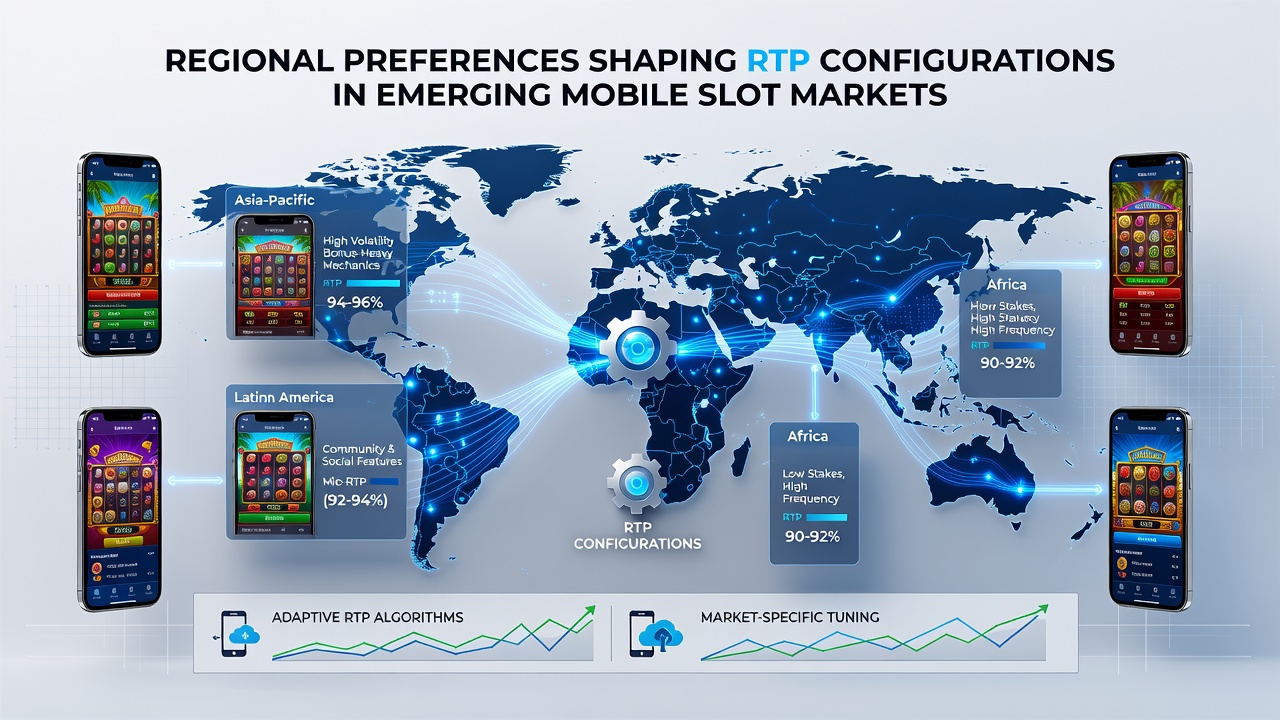
Emerging mobile slot markets across Latin America, Southeast Asia, and parts of Africa show distinct patterns where local player habits drive adjustments to return-to-player percentages, and data from regulatory filings indicate that operators calibrate these figures to match spending behaviors observed in each area. Studies compiled by researchers at the University of Sydney reveal that markets with higher average session lengths tend toward configurations set between 94 and 96 percent, while shorter burst-style play common in other zones prompts settings closer to 92 percent to maintain operator margins. These choices reflect measurable differences in deposit frequency and withdrawal timing rather than any uniform global standard.
Operators track transaction logs from August 2026 onward to refine these numbers, and reports submitted to bodies such as the Malta Gaming Authority document how regional payment preferences, including mobile wallets versus card-based deposits, correlate with specific RTP bands. One dataset covering Brazil and Indonesia highlights that players in those countries favor games allowing smaller, repeated bets, which in turn leads providers to implement incremental RTP uplifts during promotional windows to sustain engagement metrics.
Data Patterns Across Key Territories
Analysis of mobile platform logs shows clear geographic clustering, with Southeast Asian markets recording elevated interaction during evening hours and corresponding RTP tweaks that extend bonus round frequency without altering base volatility. Figures released through the Asian Gaming and Betting Association indicate a 3.2 percent rise in average bet size between Q2 and Q3 of 2026, prompting several studios to test 95.5 percent return rates in pilot titles released exclusively in Thailand and Vietnam. Observers note that these adjustments align directly with currency fluctuation patterns and local tax structures that affect net player returns.
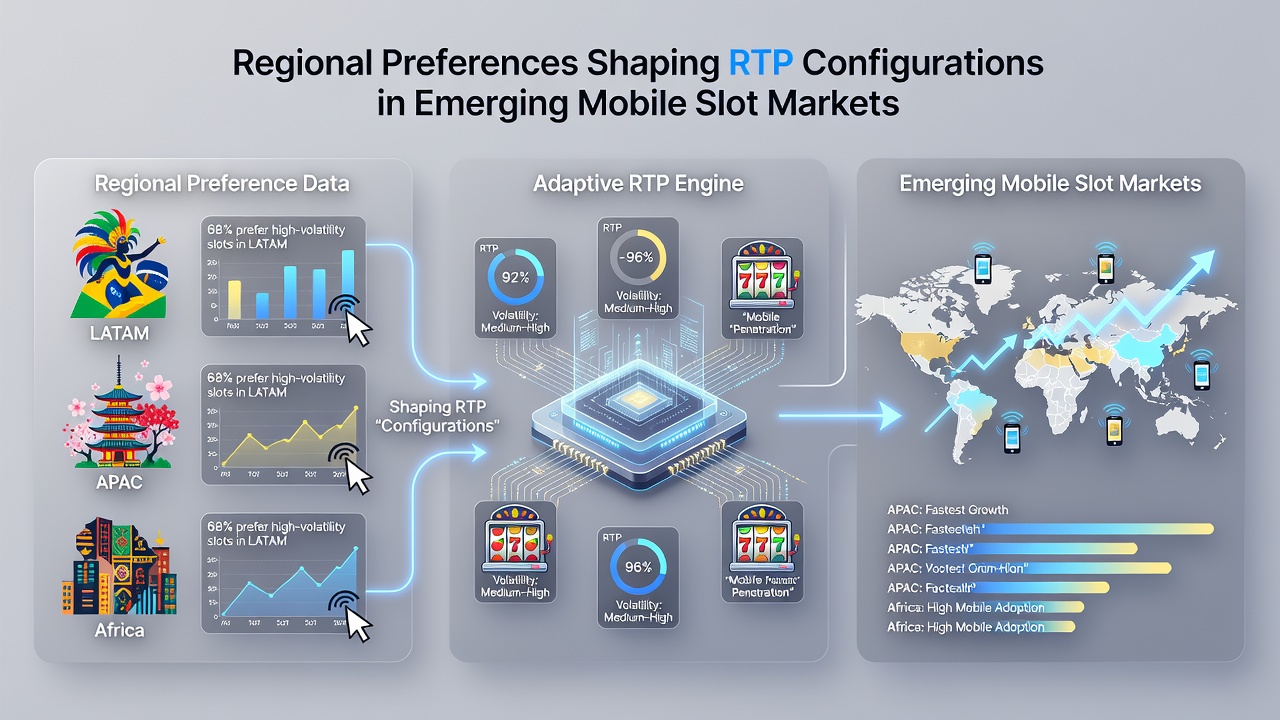
Meanwhile, Latin American regulators have published comparative tables that link mobile interface language settings to RTP selection, and users opting for Spanish or Portuguese versions demonstrate longer play cycles that justify slightly elevated return percentages. A cross-border study coordinated by the Inter-American Gaming Association found that Colombian and Peruvian users completed 18 percent more spins per session when RTP sat above 94 percent, data that now informs pre-release calibration for new titles entering those storefronts. These observations come from anonymized telemetry rather than individual account details.
Technical Implementation and Provider Adjustments
Game developers integrate region-specific RTP modules into mobile builds, allowing a single codebase to serve multiple markets through server-side flags that activate on detected IP ranges or account registration data. Technical documentation from major studios outlines how these modules adjust symbol weighting and bonus trigger thresholds while preserving the core math model, and testing logs from August 2026 show reduced approval times when submissions include region-tagged RTP variants. Providers coordinate with local compliance teams to ensure each configuration meets published technical standards without requiring full re-certification for every minor percentage shift.
Payment integration further shapes these decisions because mobile-first wallets in certain territories impose transaction caps that influence optimal return settings, and operators adjust accordingly to keep effective player value consistent across borders. Research from the Canadian Institute for Gambling Research documents parallel patterns in newer African markets where similar wallet constraints apply, confirming that RTP configuration serves as one lever among several used to match infrastructure realities.
Conclusion
Regional preferences continue to guide RTP configurations in emerging mobile slot markets through measurable correlations between player behavior data, regulatory filings, and technical deployment methods, and ongoing reports from multiple oversight bodies support continued refinement of these settings as markets mature. The patterns observed in 2026 underscore the importance of localized calibration for maintaining both compliance and operational viability across diverse territories.